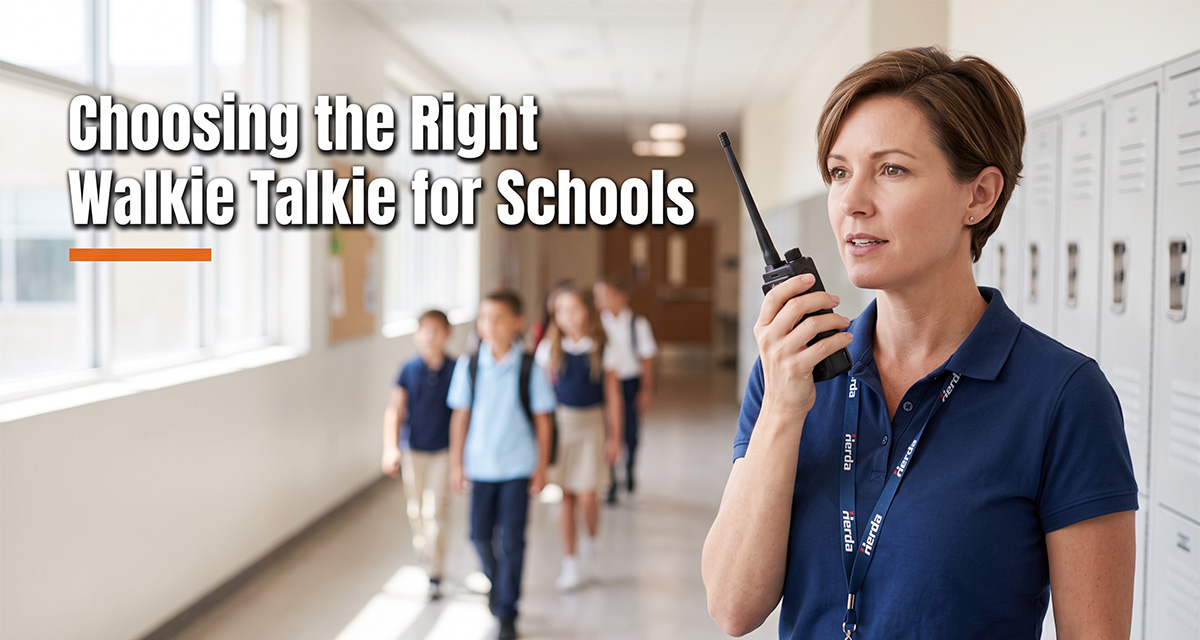
A kindergartner wanders off during recess. A pipe bursts in the cafeteria ten minutes before lunch. A parent who isn’t on the pickup list shows up at the gate. Small issues, all of them, but each one gets resolved faster or slower depending on how quickly staff can reach each other.
That’s the real case for walkie-talkies in school. Not the dramatic lockdown scenario everyone pictures first. The dozens of smaller moments each week where a radio simply beats a phone.
Why Schools Need Dedicated Radios, Not Just Phones
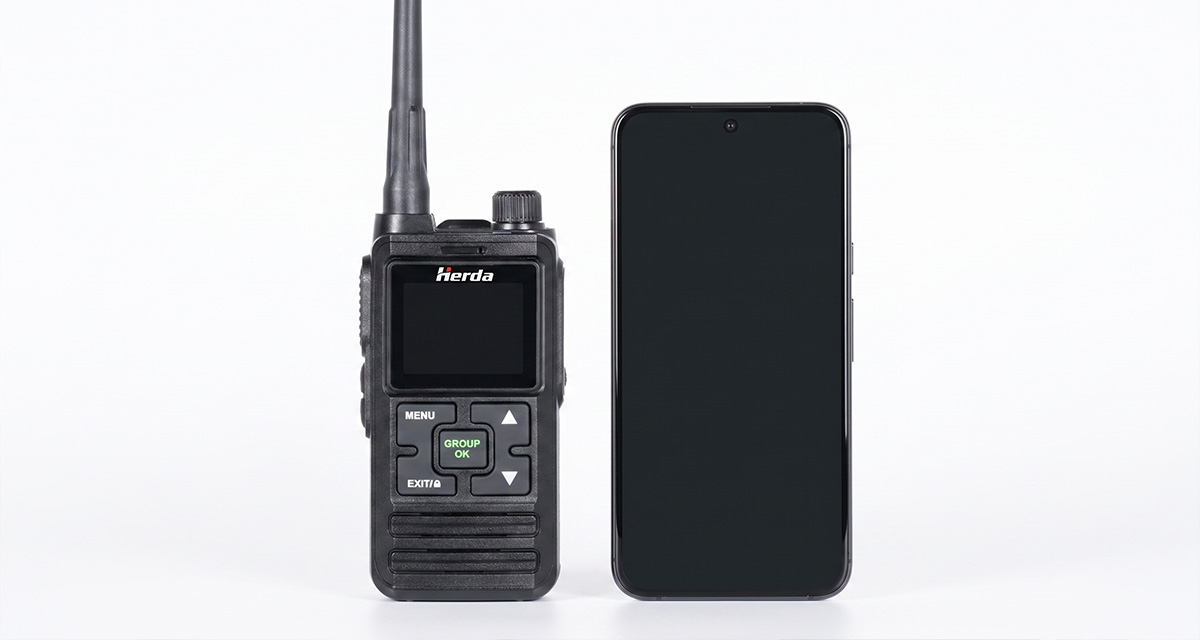
Phones seem like the obvious fix. However, they aren’t. Calling one person at a time doesn’t work when five staff members need the same information at once. Texts sit unread in a pocket during a busy hallway transition. And cell networks can drop out entirely in an actual emergency, right when speed matters most.
A walkie-talkie skips all of that. One press of a button reaches everyone on the channel, instantly. No dialing. No waiting on a notification. No dependence on cell reception holding up.
There’s a training advantage too, and it’s easy to overlook. A phone call needs someone to find the right contact and wait for it to connect. A radio has one function: press and talk. That’s exactly why schools lean on them for everything from daily logistics- a bus running late, a classroom short on supplies- up to the highest-stakes moments, like coordinating a lockdown or locating a missing student on a field trip.
Coverage That Matches Campus Layout
A Radio must provide coverage according to the school building layout. A single-story elementary school with everyone on one floor needs far less coverage than a district going over an elementary, middle, and high school across town.
Walls, stairwells, and open fields all eat into range differently. A radio rated for several kilometers outdoors might cover far less once it has to push through concrete and hallway turns.
So, before buying, it is important to think in terms of the actual floor plan. Not according to the number on a spec sheet.
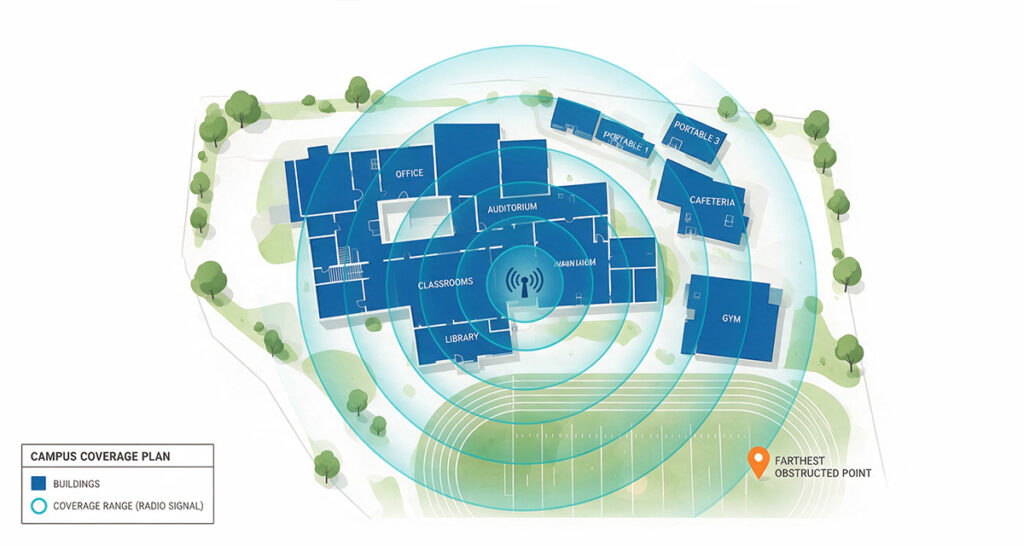
Walking the site helps more than most people expect. A campus with detached portables, a separate cafeteria building, or sports fields set well back from the main structure needs a different setup than a school with one main building and an attached gym.
The goal for buying a radio is coverage that holds up at the farthest, most obstructed point on campus, not just the distance across an open parking lot.
Battery Life That Covers a Full Day
A radio that dies before lunch is worse than having no radio at all. Staff stop trusting it, and quietly go back to texting each other, which defeats the whole point.
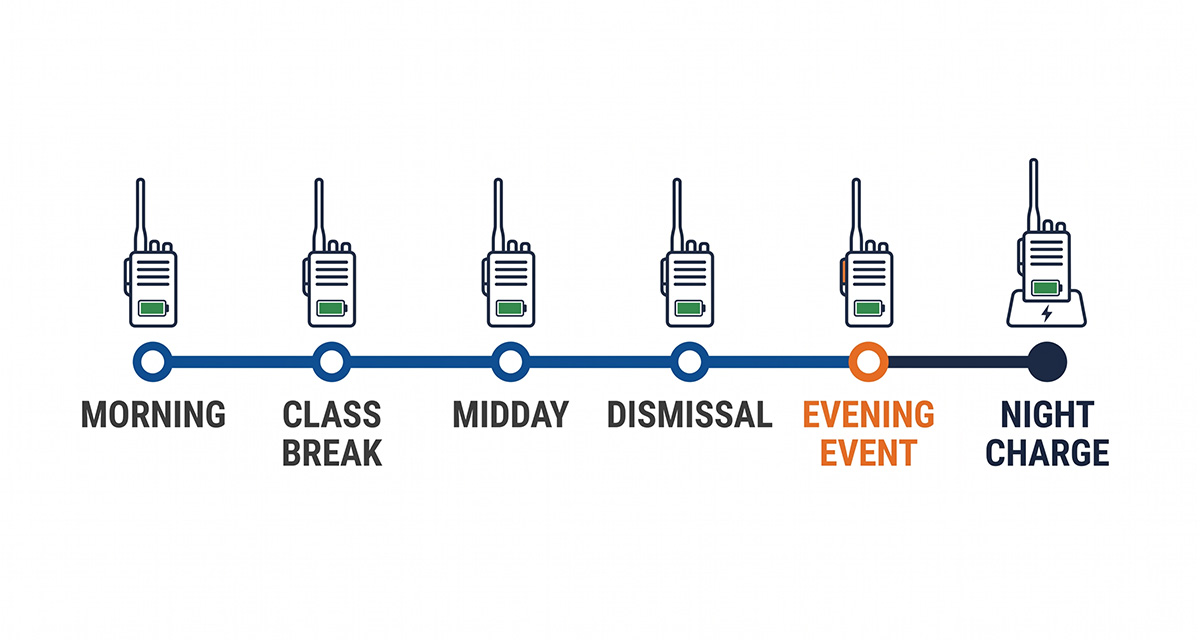
The fix is simple: pick a battery rated to comfortably outlast a full school day, dismissal, after-school pickup, and any evening events included. Then build a charging routine that has every unit recharged and ready before the next morning.
Clear Audio in Loud, Busy Environments
Hallways between periods. Cafeterias during lunch. Gym assemblies or outdoor pickup lines. All events are loud enough to overpower a weak microphone.
When that happens, instructions are misheard, and messages are repeated. That latency costs time that no one has in a true emergency. This is why noise-cancelling microphones and hands-free voice activation matter more in a school than almost anywhere else. Staff are usually supervising kids with both hands full, with no time to fumble a device mid-conversation.
Durability for Everyday Handling
Radios are often carried in bags for field trips, passed between staff, and used all day long. They need to be reliable for normal daily use.
A metal body helps protect radios. A simple layout and no fragile screen reduce the chance of breakdowns. Screens especially can be a weak point on a device that stays clipped to a belt or in a pocket.
Privacy Codes for Sensitive Conversations
Not every school conversation should be announced across the whole building. A student pulled aside privately, a security concern relayed to admin, or a custody issue at pickup are events that should be kept private.
Privacy tones like CTCSS and DCS solve this by letting different groups- front office, security, custodial, recess duty- share the same frequency band without overhearing each other. Some radios go a step further and add encryption on top, for anything that needs an extra layer of protection.
Connecting Multiple Campuses
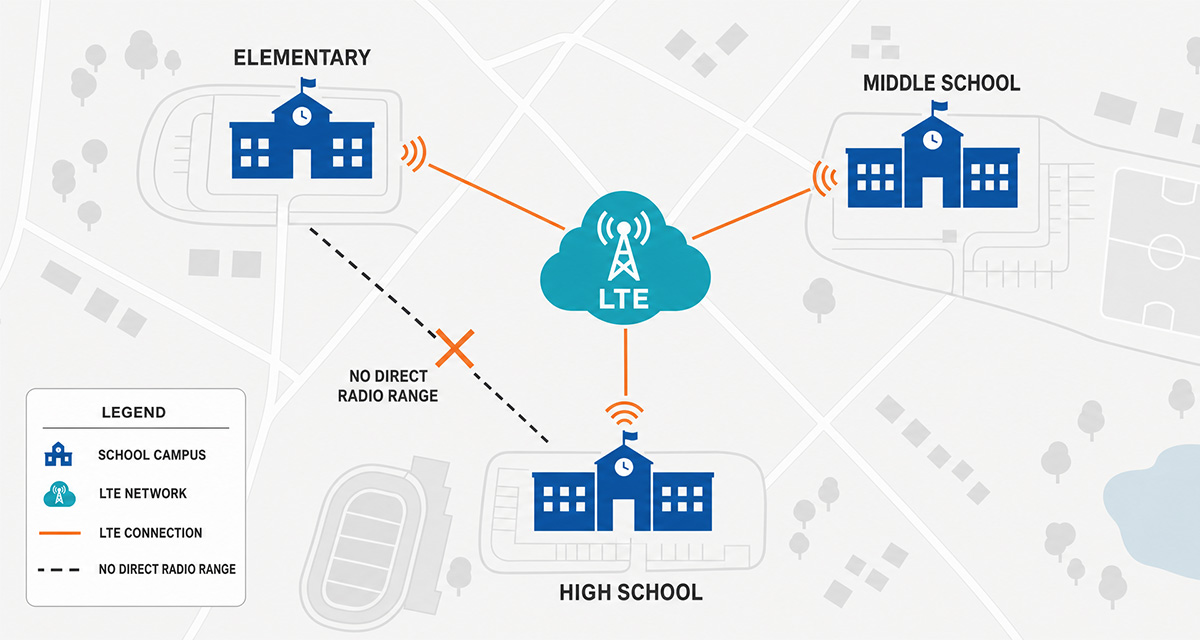
Standard radios work on line-of-sight and open-air range. That’s fine within one site. But for buildings sitting miles apart, it falls apart.
Districts coordinating across separate schools need something else entirely. A system that routes communication over a cellular or wide-area network instead of direct radio frequency. That’s how range stops becoming the limiting factor between sites.
Planning Before You Buy
A few buying habits cause more trouble than they solve. Buying units without testing them in the actual building is the most common one.
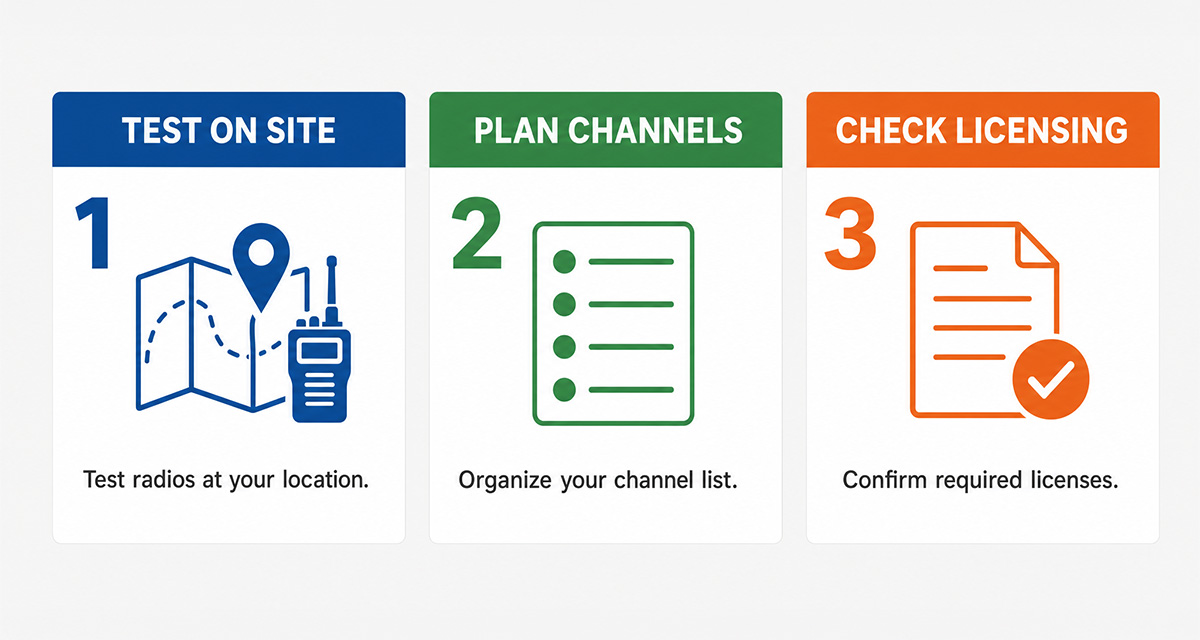
Concrete, metal lockers, and multiple floors all eat into range differently than an open field does. So, what looks fine on paper doesn’t always hold up.
Skipping the conversation about channel assignments is another issue. Without a plan, everyone ends up talking over each other on one shared frequency instead of admin, recess duty, and security each working their own.
Licensing is worth a quick check too. Not every radio is legal to use straight out of the box in every region. Confirm the frequency and compliance standard before an order for dozens of units goes in, not after.
None of this takes long. A short planning conversation before rollout saves real trouble once radios are in staff hands.
Herda’s Recommendations for School Radios
Reliable coverage. All-day battery life. Clear audio in noisy environments. Privacy features and room to scale across campuses. With those requirements in mind, Herda has a few radios that map to a school’s actual needs.
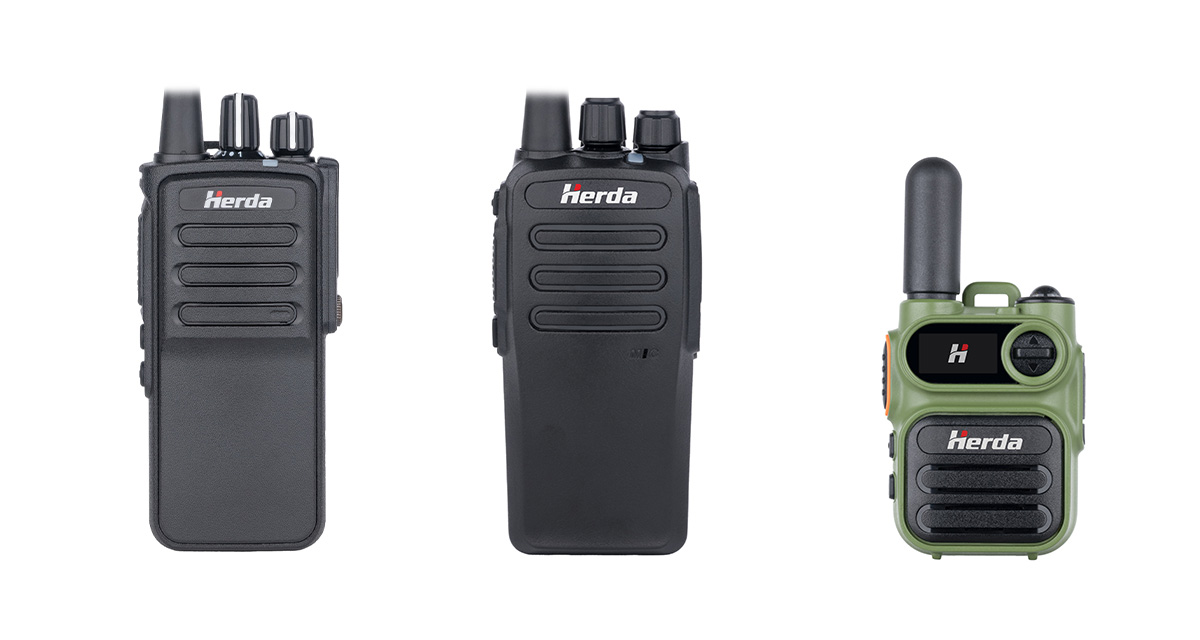
- H3288D: A 5W UHF radio built around a 35mm noise-cancelling mic and a metal housing. The 2200mAh battery runs up to 20 hours of active use, around 30 on standby. Its 5km open-air range comfortably covers most single-site campuses. Between the noise-cancelling audio and VOX hands-free operation, it’s well suited to recess duty, hallway monitors, and cafeteria staff working in loud, high-movement areas.
- H10A: Steps up to 10W output and 7km of open-air range. It adds a built-in scrambler and frequency encryption on top of standard CTCSS/DCS privacy codes. Larger or multi-building campuses fit this one better, and the added encryption suits front office and security roles handling more sensitive coordination.
- HP388: A cellular push-to-talk radio running over LTE instead of direct RF, which removes the range limitation entirely. It ships with a pre-installed SIM and a year of service included, and the battery is rated up to 120 hours. This is the tool for district-level coordination across separate school buildings, the kind of gap standard UHF radios simply can’t bridge.
- License-free options: Right for smaller programs: a single front office pair, a small after-school group. These work straight out of the box on pre-programmed frequencies. Less range, but zero setup and no licensing paperwork.
The Bottom Line
Walkie-talkies earn their place in a school by being faster and more reliable than a phone call in the moments that count. The most expensive radio isn’t automatically the right one. What matters is matching coverage, battery life, and audio quality to how a specific campus actually runs, and making sure every staff member is carrying a radio that fits their needs.